
Acheter de l’art
Beaucoup de personnes pensent que les œuvres d’art ne se voient que dans des expositions ou dans les musées. Vous pensez que vous n’avez pas les moyens d’acheter de l’art. Sachez qu’à notre époque, il existe de l’art à tous les prix. La galerie d’art en ligne, par exemple, propose des œuvres pour toutes les bourses. Alors, pourquoi ne pas vous laisser tenter et acheter de l’art en ligne ?
Vous n’avez aucune idée de la valeur des œuvres d’art parce que vous ne connaissez pas ce domaine et vous êtes un peu perdu. Comment s’y prendre pour acheter de l’art ?
Cet article peut vous donner quelques indications pratiques et des procédures à suivre.
Il existe plusieurs méthodes :
- Acheter de l’art en ligne, directement sur une galerie d’art en ligne.
- Aller dans des galeries d’art en ville.
- Visiter des foires d’art.
- Essayer les ventes aux enchères.
Nous allons voir ensemble comment vous familiariser avec le marché de l’art, tout en vous faisant plaisir.
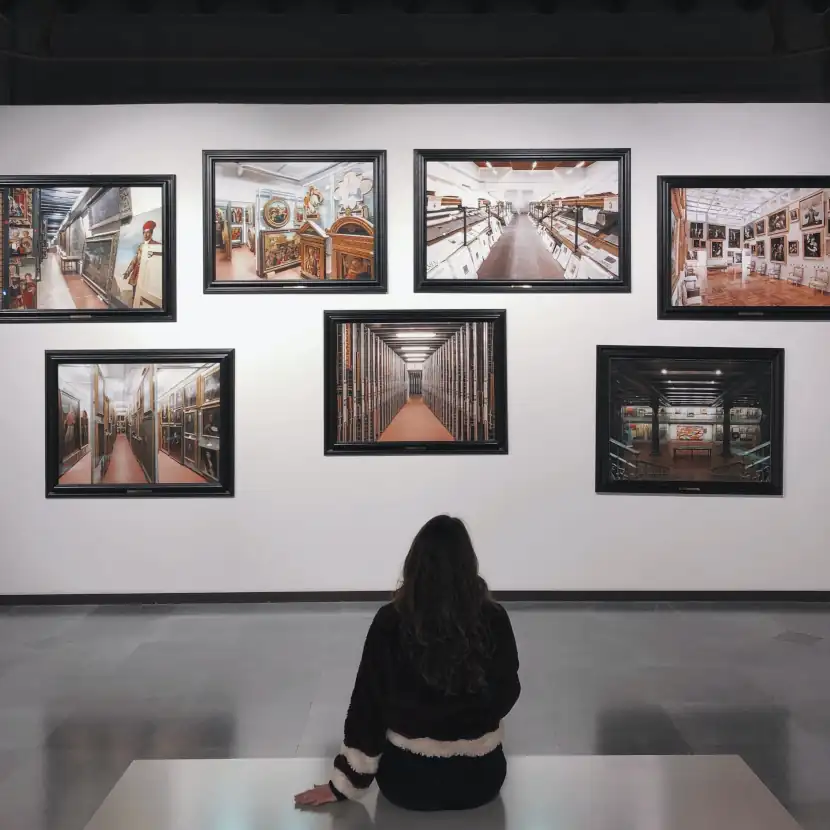
Se familiariser avec le milieu de l’art contemporain
Vous avez certainement visité des musées ou peut-être des expositions. C’est, en effet, de cette manière que l’on rencontre le plus souvent l’art.
La fonction principale d’une œuvre est d’être vue avant même d’être commercialisée.
Il est vrai qu’un tableau est dénué de fonction matérielle, comme une table, une chaise, ou une cruche en terre cuite, mais cela ne lui enlève pas sa puissance. Acquérir une véritable œuvre d’art enrichit non seulement son monde intérieur, mais également, transmet aux personnes qui vous entourent une part de votre personnalité. Laissez-vous aller au plaisir de la contemplation, au fil de vos émotions. Oui, l’art n’est pas apparemment très utile dans nos vies, cependant, c’est le sel qui a le potentiel de donner du goût à nos existences. Nous l’avons peut-être oublié dans nos vies trépidantes, mais parfois l’inutile est primordial pour notre équilibre. Dans un premier temps, il est essentiel de le comprendre en mettant de côté toutes ces conceptions qui tendraient à nous faire croire que l’art n’est pas pour nous. Comme vous le voyez, chercher à vous familiariser avec l’art est une école de la vie qui peut se décliner de multiples façons. Cette simple attitude à la curiosité est très profitable pour votre épanouissement personnel.
S’informer et développer sa connaissance de l’art
Sans aller jusqu’à suivre des cours d’histoire de l’art ou entrer dans une école spécialisée, il est possible de se faire une idée assez précise du domaine de l’art qui vous intéresse. Voici quelques conseils :
-
- Une œuvre n’est pas toujours portée par un message. S’il est vrai que chaque mouvement artistique a son histoire et sa justification sociale, l’acte créatif ne suit pas toujours les dogmes ou les interprétations qu’on leur attribue après coup. Il est donc indispensable de garder un sens critique, et de toujours suivre ses émotions. N’oublions pas que nous sommes pétris d’idées préconçues par notre culture familiale, politique et sociale. Il est difficile de s’en détacher pour garder un esprit lucide.
-
- Ne pas juger trop vite et tenter d’approfondir son regard avec un lâcher-prise peut vous faire découvrir des univers passionnants. Il n’est pas rare d’entendre, par exemple, sur la peinture abstraite, que « cela n’a aucun sens, que cela ne ressemble à rien » ou « un enfant ferait mieux ». Soyez curieux et passez au-dessus de vos préjugés.
Comment faire, d’un point de vue pratique ?
-
- La solution la plus simple est de se rapprocher des artistes, si vous en connaissez. L’art est leur vie. Ils ne sont généralement pas des spécialistes de l’histoire de l’art, mais ils savent parler de leur expérience avec cœur et sincérité.
-
- Les galeristes sont plus que des commerçants. Ils sont avant tout passionnés, et donc en mesure de parler librement avec vous, sans vouloir vous entrainer vers un achat, comme on le voit trop souvent avec les vendeurs de meubles.
-
- Allez dans des expositions et n’hésitez pas à échanger avec les artistes, les organisateurs et les professionnels. Alors, vous serez surpris de ce qu’ils peuvent vous apprendre.
-
- N’hésitez pas non plus à fréquenter les institutions artistiques, les associations d’artistes, les professeurs d’art créatif. Sans forcément suivre des cours d’arts plastiques, la proximité de ce milieu est très enrichissante.
-
- Les galeries d’art en ligne disposent généralement d’un service de conseil, par e-mail ou par messagerie instantanée. Parfois même, vous pouvez directement les joindre par téléphone. N’hésitez pas à leur demander conseil. Acquérir de l’art sur Internet vous permet de prendre le temps pour faire votre choix, sans avoir à vous déplacer. Pourtant, l’achat d’art en ligne comporte encore de nombreux freins. Manque de connaissance, crainte d’une escroquerie, peur de la déception, sont les principales objections à l’achat d’art en ligne. Trop orientés vers le commerce ou la propagande, les réseaux sont manipulateurs. Il s’agit alors de trouver les bonnes sources d’informations, ou tout au moins celles qui correspondent à vos valeurs et à vos attentes.
Une fois ces étapes franchies, vous commencerez rapidement à apprécier les œuvres et à distinguer les différences de style et de pratiques. Vous serez en mesure de reconnaitre un tableau peint à l’huile d’un autre peint à l’acrylique, un bronze de fonderie d’une sculpture métal, etc.
Il restera alors à vous familiariser avec le marché de l’art.
S’initier au marché de l’art
Comme toutes les catégories de produits, les œuvres d’art ont leur marché.
Il existe plusieurs marchés de l’art. Pour les œuvres d’art de grands maîtres, le marché est confidentiel et dirigé par les grandes maisons de vente pour le compte de puissants investisseurs.
Intéressons-nous plutôt aux œuvres contemporaines, car les chefs-d’œuvre anciens ne concernent que les musées et les grands collectionneurs.
Le marché de l’art peut s’apparenter au marché du luxe, avec plusieurs étages. Comme pour la mode vestimentaire, il y a la haute couture et le prêt-à-porter. Nous devons faire une distinction entre les œuvres originales, c’est-à-dire à exemplaire unique, ou à tirage limité et numéroté. Les copies non enregistrées ne sont pas considérées comme des œuvres d’art. C’est le principal critère qui distingue une œuvre d’art d’un objet manufacturé (notamment par le Code des impôts en France— (article 98A).
En réalité, les différences de valeur ne s’opèrent que par la côte de l’artiste.
Les motivations pour acheter une œuvre d’art
Tout d’abord, pour quelle raison voulez-vous acheter une œuvre d’art ? Votre motivation est l’axe central qui déterminera votre recherche. Qu’il s’agisse d’un tableau contemporain, d’une sculpture ou d’une photographie, acheter de l’art est un moment délicat qui répond à différents désirs. Vous avez « craqué » devant un tableau qui vous a ému. Plus vous le regardez, et plus vous pensez qu’il est pour vous. Il s’agit d’un coup de cœur souvent irrépressible, car l’œuvre artistique est un vecteur puissant des émotions. Vous voulez changer l’ambiance et la décoration de votre logement. Vous avez l’intention d’accrocher une œuvre d’art dans votre salon, dans une chambre, ou toute autre pièce. Votre motivation est d’un ordre décoratif. Vous désirez offrir un cadeau original qui ne ressemble à aucun autre. Une œuvre d’art originale et unique, avec son certificat d’authenticité. Assurez-vous qu’il correspond exactement à votre souhait de cadeau. Acheter de l’art pour offrir, c’est l’assurance d’un cadeau authentique qui plaira à coup sûr. Vous avez le projet d’investir dans le secteur de l’art. Si vous recherchez des œuvres d’artistes contemporains à des prix encore raisonnables, mais susceptibles de voir leur valeur marchande augmenter, il vous faut en premier mieux dénicher des œuvres qui vous plaisent et qui ont le potentiel de se transformer en un bon placement. C’est inévitablement prendre un risque d’acheter des artistes en vogue dont la cote est susceptible de monter dans les prochaines années. Mais vous pouvez gagner gros. Bien entendu, vous pouvez cumuler plusieurs de ces destinations. Par exemple, vous aimez une œuvre que vous désirez exposer dans votre intérieur tout en espérant voir sa valeur grimper. Dans ce cas, votre satisfaction n’en sera que plus grande si votre souhait est satisfait ! Une œuvre d’art n’a pas qu’une valeur d’argent.

L’achat d’un tableau coup de cœur
Si les motivations pour acheter un tableau sont très diverses, il en est une qui dépasse toutes les autres, tant en fréquence qu’en intensité. Il s’agit de l’achat plaisir, ou de l’achat coup de cœur.
Un jour, on remarque un tableau, que ce soit dans un salon d’art contemporain, dans une galerie ou sur un site de vente en ligne, et l’on se retrouve comme hypnotisé par le travail de l’artiste. Le désir d’appropriation de cette œuvre est puissant. Son prix, ses dimensions et son acceptation par les proches arrivent alors en second plan.
Même sans éprouver une grande passion pour la peinture, le coup de cœur est une motivation très courante pour l’achat d’un tableau ou d’une sculpture. Un conseil, faites preuve d’un peu de prudence avant de vous lancer dans l’achat. Voici une méthode préalable.
Réclamez la photo de l’œuvre, examinez-la soigneusement. N’hésitez pas à zoomer pour observer les détails du travail de l’artiste.
Vérifiez qu’il s’agisse bien d’une œuvre originale ou d’un tirage limité et numéroté.
Assurez-vous que votre acquisition sera accompagnée d’un certificat d’authenticité, signé de la main de l’artiste.
Laissez-vous ensuite un temps de réflexion avant de prendre votre décision. Après ce délai de réflexion, si votre envie est toujours présente, alors foncez ! vous risquez de le regretter si un autre acheteur vous devance.
L’achat d’art pour votre décoration intérieure
L’aménagement et la décoration intérieure de nos lieux de vie sont une composante importante du bien-être. Votre décor intérieur devrait refléter votre personnalité et installer des œuvres d’art est excellent pour exprimer votre style et pour réaliser une décoration intérieure qui vous ressemble.
L’œuvre d’art a la puissance de modifier en profondeur l’ambiance d’une pièce, d’un appartement ou d’une maison. Quelques précautions sont néanmoins à prendre.
La taille de l’œuvre est-elle adaptée à la pièce ?
Lors d’un achat d’art, la taille de l’œuvre est un point très important. Mesurez les dimensions de la zone que vous souhaitez décorer et imaginez le résultat.
Il faut aussi respecter les différents éléments de votre décoration existante, couleur des murs, des meubles et des objets. Un conseil, n’hésitez pas à adapter votre décoration à l’œuvre que vous avez choisie. Un petit coup de peinture de mur peut tout changer. Vous obtiendrez alors les meilleurs résultats, pour une décoration réussie. Un tableau accroché judicieusement a le pouvoir de magnifier un intérieur. Il porte un langage esthétique qui interagit avec les éléments présents.
Même si vous aimiez l’art, ce serait du gâchis de ne pas respecter les règles d’harmonie ! Choisissez une œuvre qui correspond à l’ambiance que vous désirez donner à votre pièce. Une astuce à faire absolument : imprimez une photo pour vérifier si le tableau sélectionné correspond à votre intérieur.
Avez-vous un endroit pour stocker l’œuvre lorsqu’elle n’est pas exposée ?
C’est un point important, car en cas de travaux ou tout simplement si vous avez le désir de faire une rotation de tableaux ou de sculptures, vous devez prévoir un lieu de stockage sain. (Évitez les endroits humides comme la cave).
Avec ou sans encadrement
Pour des tableaux, l’encadrement doit absolument être adapté à l’œuvre et à la pièce. En cas de doute, préférez le tableau simple qui parlera de lui-même. Sinon, faites appel à un professionnel.
Votre achat deviendra un peu plus proche de vous chaque jour. Vous constaterez que l’art a cette faculté de devenir familier en le côtoyant quotidiennement. De plus, il ouvre l’esprit à la découverte d’expositions et de musées.
Vous êtes unique, alors faites de votre maison un lieu unique, dans lequel il fait bon vivre.
L’art contemporain répond à toutes les attentes, car sa diversité est sans limites.
Offrir de l’art, un cadeau parfait pour toutes les occasions
Si vous recherchez une idée cadeau originale et valorisante, une œuvre d’art est peut-être la solution.
Il existe beaucoup de circonstances pour offrir de l’art : un mariage, un anniversaire, un départ à la retraite, la célébration d’un diplôme, ou encore un Noël particulier.
Un objet d’art n’est jamais un cadeau anodin, car l’œuvre originale n’est pas un produit aussi commun qu’un objet manufacturé, si luxueux soit-il.
De plus, il est offert généralement à une personne bien précise. Ainsi, le cadeau se doit d’être choisi en fonction de ses goûts, de son mode de vie.
L’œuvre d’art est toujours très singulière, elle est une création d’un artiste passionné, à l’imagination débordante. L’adéquation entre celui qui reçoit et celui qui offre est un point important. Cependant, ne perdez pas de vue qu’une œuvre d’art offre à voir ce que l’on souhaite y découvrir. Dans ce sens, c’est toujours un cadeau personnalisé.
Faire un choix judicieux.
Deux options sont possibles : choisir une œuvre qui fait consensus par son esthétique, ou prendre le risque d’acheter une œuvre de caractère.
La seconde solution est sans doute la meilleure, bien qu’elle soit plus risquée. Mais, si elle touche son but, elle fera à coup sûr un cadeau inoubliable.

L’achat d’art pour investir
Longtemps réservé aux plus riches, le marché de l’art se démocratise à grands pas.
De plus en plus d’investisseurs s’y intéressent. Il est alimenté par des collectionneurs et des musées dans le monde entier.
De nouveaux investisseurs sont séduits par des rendements élevés, car investir dans l’art est un placement avantageux fiscalement et peut constituer une valeur refuge.
Le rendement moyen sur des œuvres accessibles à moins de 20 000 € est autour de 9 % et pour des prix plus élevés, les ratios s’envolent.
Qu’en est-il du marché qui concerne la multitude d’artistes qui ne sont pas cotés.
Pour ceux-ci, les ventes augmentent et se structurent progressivement. Ce marché représente une nouvelle manne pour les investisseurs des classes moyennes et supérieures.
Désormais, ce ne sont plus seulement les artistes de renom qui font recette. Les placements sur ce nouveau marché sont corrélés au dynamisme et au professionnalisme des artistes.
Comptez pour une œuvre, une plus-value de l’ordre de 2 à 4 % annuelle en moyenne.
Si l’artiste est talentueux et un peu à la mode, cela peut rapidement grimper au-delà des 10 %.
Mais l’inverse est aussi possible. Vous devez être prudent.
Les spécialistes en investissement ne s’y trompent d’ailleurs pas : s’ils confirment que l’art est un excellent investissement, spécialement à long terme, ils conseillent de ne pas dépasser 10 % de son patrimoine pour ces opérations.
Votre achat peut avoir de la valeur.
Investir dans les œuvres d’art permet de concilier l’utile et l’agréable.
Les œuvres de jeunes artistes ont le potentiel de prendre un jour une valeur inattendue.
Porter une estimation sur la valeur artistique des œuvres n’est pas évident pour tous.
Il vaut mieux se faire conseiller.
En résumé, quels que soient vos buts et vos motivations, lorsqu’il s’agit d’acheter de l’art, l’œuvre reste toujours centrale, comme l’artiste qui impulse son énergie et sa vision du monde.
Qu’il s’agisse d’un achat coup de cœur, d’un cadeau, d’un projet de décoration intérieure ou d’un investissement, considérez votre instinct, mais ne négligez pas les conseils d’experts.
Cela reste le moyen le plus sûr de ne pas se tromper.
Profitons de l’art sans complexe.
L’art fait partie de notre monde depuis toujours. Alors un conseil, ne vous privez pas de ce compagnon tellement enrichissant. Les prix ne sont plus rédhibitoires, car de nombreux artistes proposent de la qualité abordable. Vous pouvez donc en profiter selon votre budget.
Pour modifier radicalement l’ambiance d’une maison, il ne suffit pas d’afficher des photos de lieux idylliques ou des copies d’œuvres de grands maîtres, une œuvre originale restera une compagne fidèle.
Sujets voisins: